The Future of UX Research: Human Empathy + AI Machine Intelligence
- Philip Burgess
- Aug 20, 2025
- 2 min read

By Philip Burgess - UX Research Leader
What the Balance Looks Like
As AI continues to reshape the landscape of design and decision-making, UX research stands at a pivotal crossroads. The question is no longer whether machine intelligence will play a role—it already does. The real question is: how do we balance the precision of algorithms with the depth of human empathy?
This isn’t a story of replacement. It’s a story of integration.
Empathy Isn’t Optional
At its core, UX research is about understanding people—not just what they do, but why they do it. It’s about uncovering motivations, frustrations, and unmet needs that aren’t always visible in the data. Empathy is the lens through which we interpret behavior, challenge assumptions, and design for real lives.
AI can surface patterns. Humans give them meaning.
What Machine Intelligence Brings to the Table
AI tools are already transforming how we conduct research:
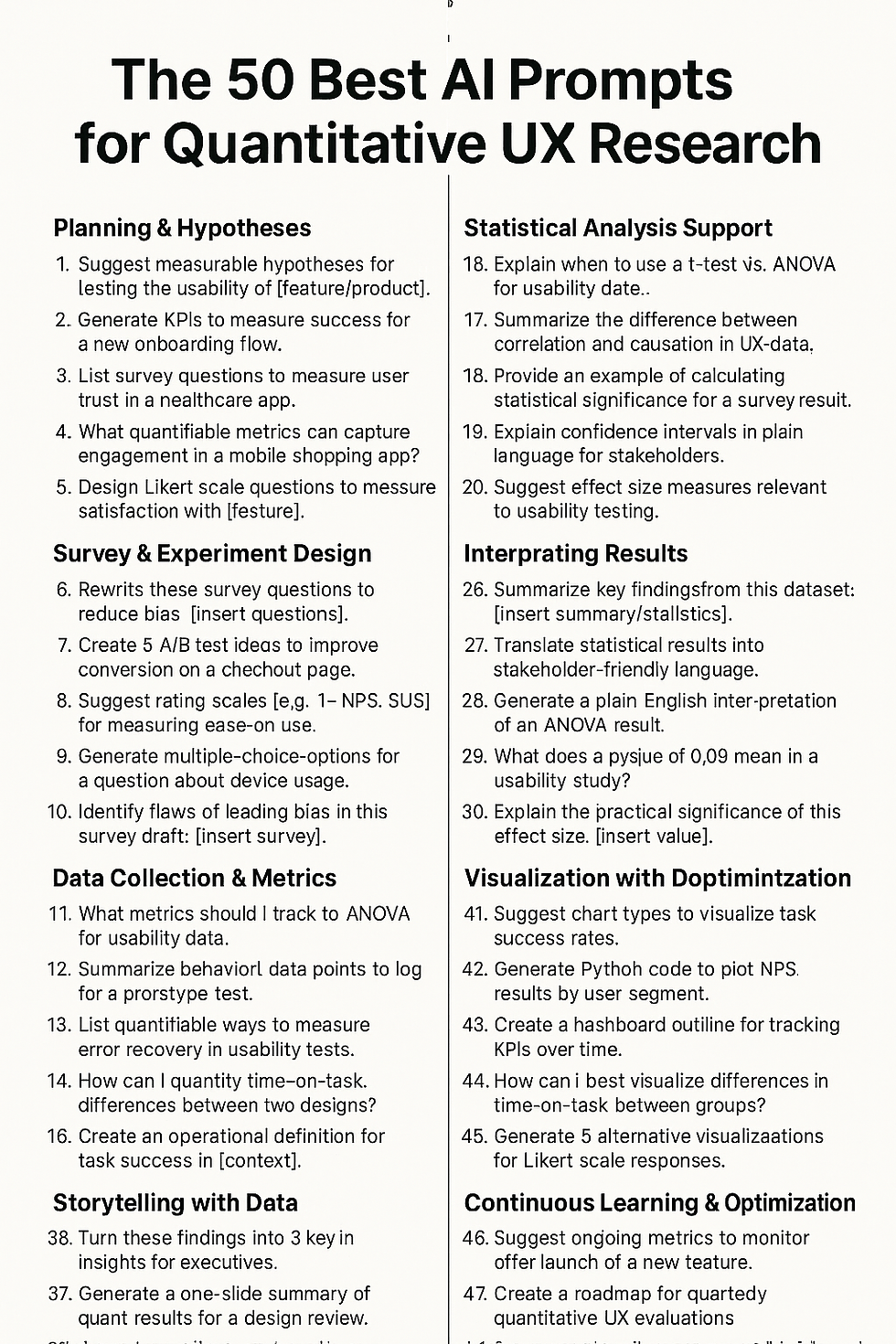
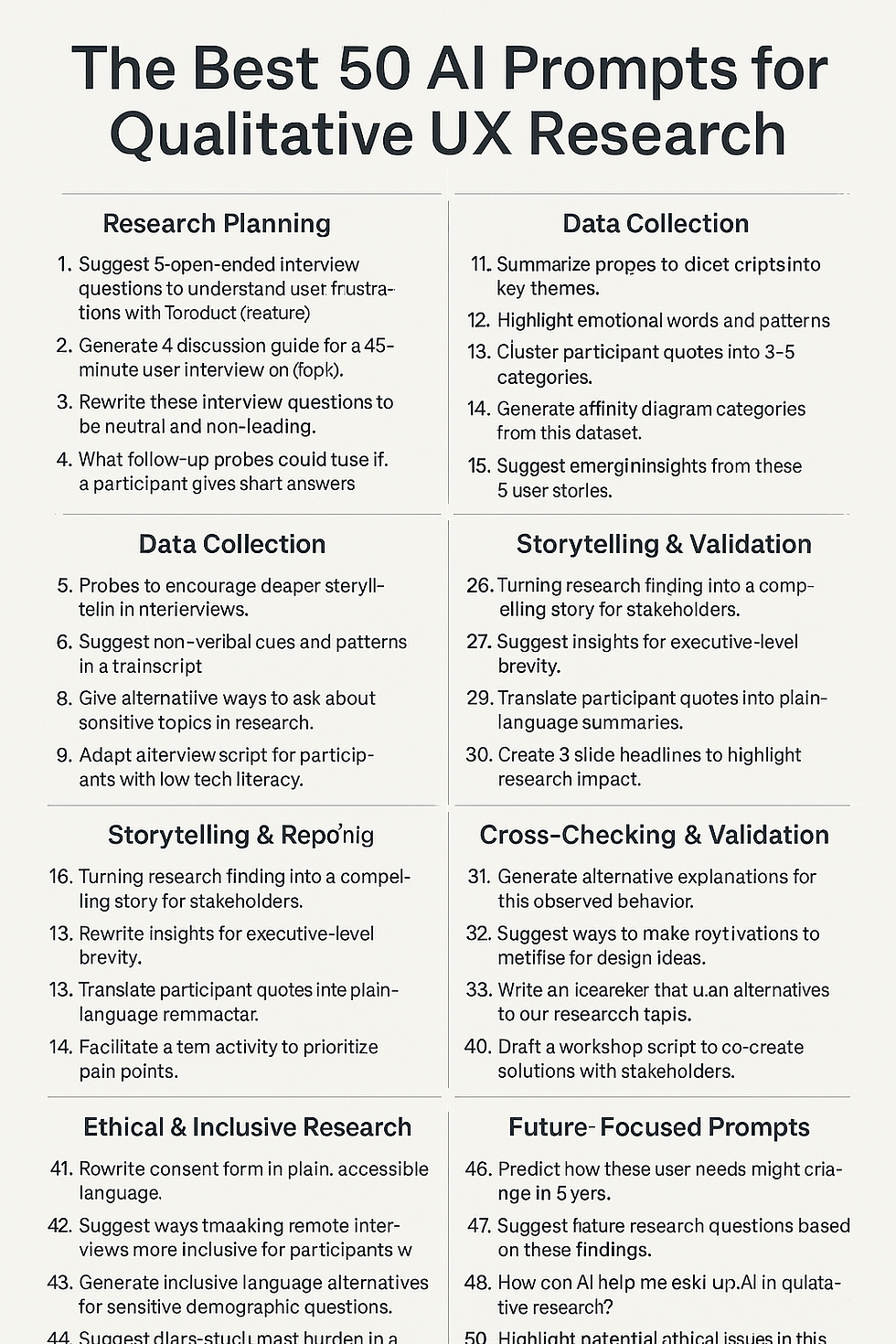
Automated data synthesis: AI can analyze thousands of survey responses, user sessions, and behavioral logs in seconds.
Predictive modeling: Algorithms can forecast user behavior and identify friction points before they occur.
Persona generation: Machine learning can cluster user types based on real-time data, not just assumptions.
These capabilities are powerful—but they’re only half the equation.
The Human Layer: Strategic, Ethical, Emotional
Where AI sees trends, humans see stories. Where AI optimizes for efficiency, humans advocate for dignity. The future of UX research demands researchers who can:
Interpret AI outputs through a human lens
Ask the questions machines can’t
Navigate cultural nuance and ethical complexity
Build trust with stakeholders and users alike
Empathy isn’t just a soft skill—it’s a strategic advantage.
Designing the Balance
So what does the ideal balance look like?
It’s a hybrid model where machine intelligence handles the heavy lifting—data processing, pattern detection, and early synthesis—while human researchers focus on strategic framing, stakeholder alignment, and storytelling.
It’s a workflow where AI accelerates discovery, but humans guide interpretation.
It’s a mindset shift: from “either/or” to “yes, and.”
What Leaders Must Do
For organizations embracing AI-first strategies, the path forward is clear:
Upskill your teams: Equip researchers with AI literacy and ethical fluency.
Redefine roles: Shift from tactical execution to strategic orchestration.
Champion empathy: Make human insight a non-negotiable part of your design culture.
Final Thought
The future of UX research isn’t about choosing sides. It’s about building bridges. When human empathy and machine intelligence work in tandem, we don’t just design better products—we design better futures.

Comments